How to Manage a Shared Custody Schedule Between Two Homes

Shared Custody Schedule Between Two Homes

When parents separate, one of the biggest challenges is organizing daily life between two homes.

Children still have school, activities, doctor appointments and family routines. Coordinating all of this between two parents can quickly become complicated if there is no clear structure.

Many separated parents struggle with questions such as:

  • Who has the children this weekend?
  • How do we manage holidays?
  • What happens if one parent needs to change the schedule?

Creating a clear shared custody schedule is one of the best ways to reduce confusion and help children feel secure.


Why a clear custody schedule matters

Children thrive when they have predictable routines.

After a separation, the transition between two homes can be stressful if schedules change constantly or if communication between parents is unclear.

A well-defined parenting schedule helps:

  • reduce misunderstandings between parents
  • create stability for children
  • simplify planning for school and activities.

When both parents know exactly where the children will be and when, daily organization becomes much easier.


Common shared custody schedules

There is no single schedule that works for every family. The best solution depends on the children’s ages, the distance between homes and the parents’ availability.

Here are some common parenting schedule models.

Alternating weeks

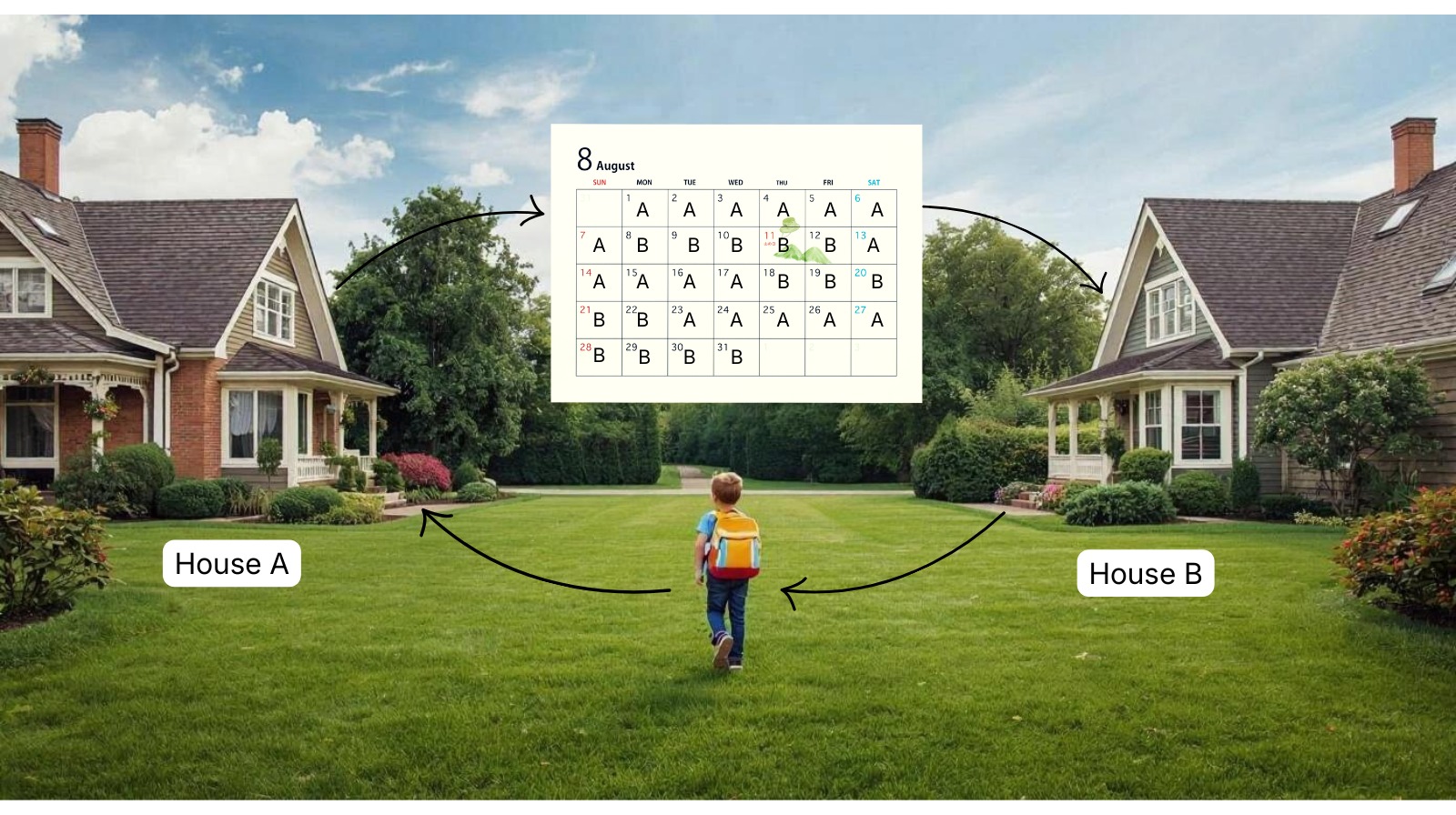
One of the simplest schedules is alternating weeks. Children spend one full week with each parent.

This arrangement works best when parents live close to each other and children are older.


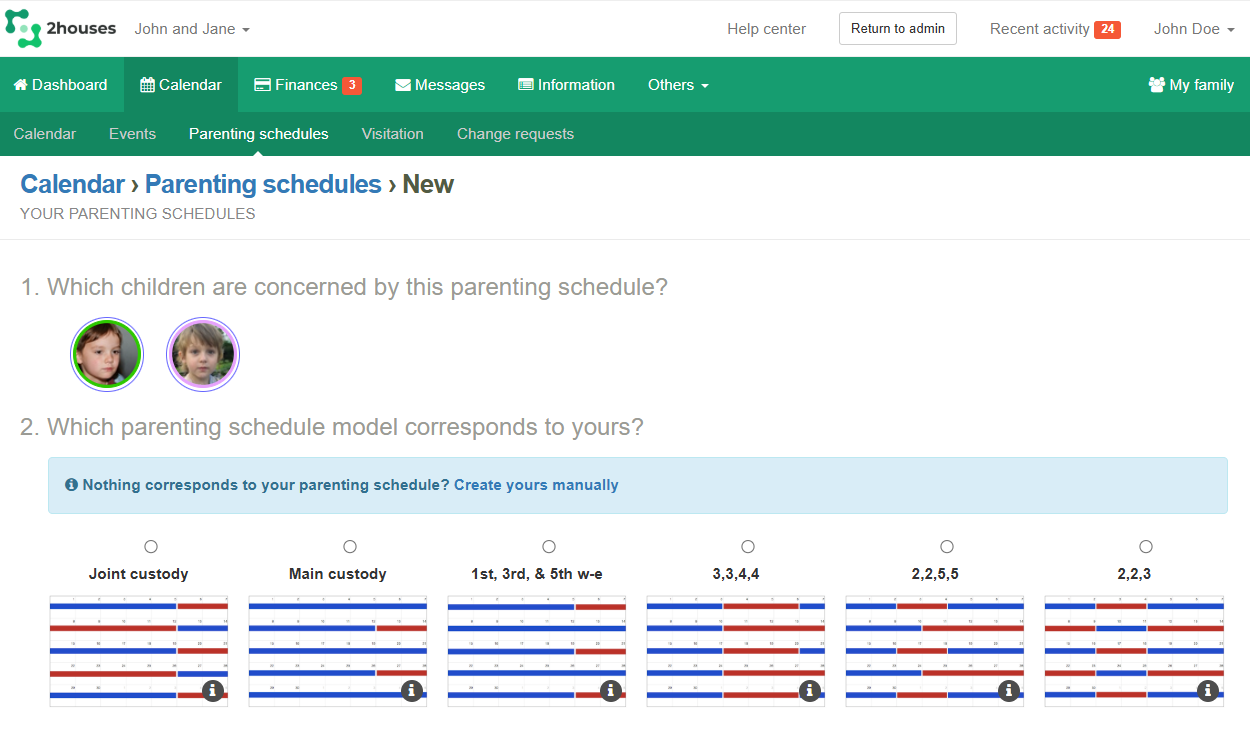
2-2-5-5 schedule

In this model, children spend:

  • two days with one parent
  • two days with the other
  • then alternate five-day periods.

This schedule allows children to see both parents frequently while still creating longer blocks of time.


3-4-4-3 schedule

Another option is the 3-4-4-3 rotation, where children alternate between parents every three or four days.

This type of schedule works well for younger children who benefit from shorter separations.


The challenges of managing custody schedules

Even when parents agree on a schedule, real life often creates changes.

Unexpected events can include:

  • school activities
  • doctor appointments
  • vacations
  • last-minute work commitments.

Without a clear system to track these changes, confusion can easily arise.

Parents often end up relying on text messages or emails, which can quickly become difficult to follow.


Using digital tools to manage parenting schedules

Many separated parents now use co-parenting apps to help manage custody schedules.

These tools allow parents to:

  • share a parenting calendar
  • track schedule changes
  • coordinate activities
  • keep communication about the children in one place.

By centralizing this information, parents can avoid misunderstandings and ensure both households stay aligned.

You can compare several of the most popular tools in our guide to the best co-parenting apps for separated parents:

👉 https://www.2houses.com/en/blog/best-co-parenting-apps


Tips for successful co-parenting schedules

Regardless of the schedule you choose, a few principles can make co-parenting easier.

Keep the schedule consistent

Children adapt better when routines stay predictable. Try to avoid frequent last-minute changes whenever possible.

Plan holidays in advance

School holidays and vacations should ideally be planned well ahead of time to avoid conflicts.

Keep communication focused on the children

Clear and respectful communication helps prevent small issues from becoming larger conflicts.


Final thoughts

Managing a shared custody schedule between two homes can feel overwhelming at first.

However, with a clear parenting plan and the right tools, many families find that organization becomes much easier over time.

Digital tools and co-parenting apps can help parents coordinate schedules, track important information and keep communication focused on what matters most: the well-being of the children.


FAQ recommandée

What is a shared custody schedule?

A shared custody schedule defines when children stay with each parent after a separation. It helps create stability and clear routines between two homes.

What is the most common custody schedule?

Common schedules include alternating weeks, 2-2-5-5 schedules and 3-4-4-3 rotations depending on the children’s age and the parents’ availability.

How do parents manage custody schedules?

Many parents use shared calendars or co-parenting apps to track schedules, activities and schedule changes.

Best Co-Parenting Apps for Separated Parents (2026)

best co parenting apps comparison

When parents separate, one of the biggest challenges is staying organized between two homes.

Coordinating parenting schedules, sharing important information about the children, and managing expenses can quickly become complicated. Simple questions such as Who has the children this weekend? or Who paid for the school trip? can easily lead to misunderstandings if there is no clear system in place.

This is why many separated parents today use co-parenting apps to help manage daily logistics and improve communication.

These digital tools allow families to keep everything in one place: custody schedules, messages, shared expenses and important information about the children.

Here are some of the most commonly used co-parenting apps.


1. OurFamilyWizard

OurFamilyWizard is one of the best-known co-parenting apps and is often recommended by family lawyers and courts.

The app focuses strongly on communication and documentation between parents. Messages, calendars and expenses are stored in one place, and many courts accept exported records from the platform.

Main features

  • Shared parenting calendar
  • Messaging between parents
  • Expense tracking
  • Court-accepted communication records

Pros

  • Widely recognized in legal contexts
  • Comprehensive documentation features

Cons

  • Higher price compared to many alternatives
  • Each parent typically needs their own subscription

2. AppClose

AppClose is another well-known co-parenting app that offers several useful tools for separated families.

It provides messaging, scheduling and expense tracking features, and part of the platform can be used without a paid subscription.

Main features

  • Shared calendar
  • Messaging tools
  • Expense tracking
  • Communication records

Pros

  • Some free features available
  • Good range of tools for co-parents

Cons

  • Interface can feel complex for some users
  • Certain features require additional upgrades

3. TalkingParents

TalkingParents focuses primarily on communication between parents. The app is designed to create clear records of conversations and reduce disputes.

It is often used when parents want structured communication or when courts require documented messaging.

Main features

  • Secure messaging
  • Communication records
  • Call recording options

Pros

  • Strong focus on communication documentation
  • Often used in legal situations

Cons

  • Limited scheduling tools compared to other apps
  • Fewer features for managing family logistics

4. 2houses

2houses is a co-parenting app designed specifically to simplify everyday organization between two homes.

The platform brings together calendar management, communication tools and shared expenses in one place so parents can coordinate more easily.

Main features

  • Shared parenting calendar
  • Messaging between parents
  • Expense management
  • Photo albums and family information
  • Access for third parties such as mediators or grandparents

Pros

  • Simple and intuitive interface
  • Calendar, communication and expenses in one place
  • One subscription covers the whole family

Cons

  • Less known in some regions than older platforms

Comparison of the main co-parenting apps

To help parents quickly compare the most popular co-parenting apps, here is a simple overview of the main features.

AppMessagingCalendarExpense trackingSubscription
OurFamilyWizardHigher price
AppCloseFree + upgrades
TalkingParentsLimitedNoPaid
2housesOne subscription for the whole family

Choosing the right co-parenting app

The best co-parenting app depends on the needs of each family.

Some parents prioritize legal documentation of communication, while others mainly need help organizing schedules and managing shared expenses.

What matters most is finding a tool that allows both parents to communicate clearly and keep important information about the children in one place.

Digital tools cannot solve every challenge of co-parenting, but they can significantly reduce misunderstandings and make everyday coordination easier.


Conclusion

Co-parenting after separation can be challenging, especially when children move between two homes.

Using a co-parenting app helps many families stay organized, keep communication focused on the children and avoid unnecessary conflicts.

If you want to learn more about how co-parenting apps help separated families stay organized, you can read this article:

👉 https://www.2houses.com/en/blog/how-one-co-parenting-app-is-helping-thousands-of-separated-families-stay-organized


FAQ

What is the best co-parenting app?

The best co-parenting app depends on each family’s needs. Some parents prioritize communication records, while others need tools to manage schedules and shared expenses. Popular options include OurFamilyWizard, AppClose, TalkingParents and 2houses.


Are co-parenting apps worth it?

Many separated parents find co-parenting apps very helpful because they centralize communication, parenting schedules and expenses in one place. This helps reduce misunderstandings and keeps important information organized.


Do co-parenting apps help reduce conflicts?

Yes. By keeping messages, schedules and expenses documented in one place, co-parenting apps can help avoid disputes and make communication more structured between parents.

How Co-Parenting Apps Help Separated Parents Stay Organized

co-parenting schedule

Separation is never easy, especially when children are involved.

Many separated parents today rely on a co-parenting app to manage custody schedules, communication and shared expenses.

Beyond the emotional challenges, parents suddenly face a new logistical reality: organizing their children’s lives between two homes.

  • Who has the children this weekend?
  • Who paid for the school trip?
  • Who takes them to the doctor?

These questions may sound simple. But for many separated families, they can quickly become a source of stress and conflict.

That’s where technology is beginning to play an unexpected role.

Common problems separated parents face

Many separated parents experience the same daily challenges:

Confusion about custody schedules
Who has the children this weekend? What about holidays?

Disagreements about shared expenses
School activities, clothes or medical costs can quickly become a source of tension.

Difficult communication
Simple conversations about the children can easily escalate into conflict.

Co-parenting apps like 2houses help parents organize these aspects in one shared place, reducing confusion and helping families stay focused on their children.

Try 2houses free for 14 days https://www.2houses.com


The growing challenge of modern co-parenting

Across many countries, the number of separated parents continues to rise.

In Europe and North America, millions of children now grow up in two households.

While shared parenting arrangements are increasingly common, managing daily logistics remains complicated.

Parents must coordinate:

  • custody schedules
  • school activities
  • medical appointments
  • shared expenses
  • communication about the children.

Without a structured system, misunderstandings happen easily.

And unfortunately, these conflicts can affect children the most.


From family challenge to digital solution

To address these challenges, some parents are turning to specialized co-parenting apps.

One of them is 2houses, an app designed to help separated parents organize their children’s lives in a shared space.

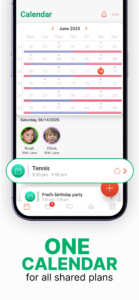
Shared co-parenting calendar with extracurricular activities

Instead of relying on dozens of emails, text messages or paper calendars, parents can centralize everything in one place.

The app allows families to:

• manage custody schedules
• communicate about their children
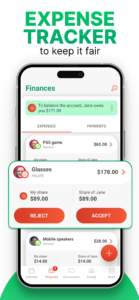
• track shared expenses
• store important documents
• keep track of events and activities.

By keeping information clear and transparent, the goal is simple: reduce stress and avoid unnecessary conflict.

Shared expenses tracker for separated parents

Technology supporting better communication

One of the most difficult aspects of co-parenting after separation is communication.

Even small misunderstandings can escalate quickly.

Digital tools provide a neutral space where parents can exchange information calmly and keep track of conversations.

For many families, this structure helps keep discussions focused on what matters most: the children.


Helping families create stability for children

While technology cannot solve every challenge of separation, it can make everyday organization easier.

Many parents report that having a shared calendar and expense tracker reduces tension and helps them collaborate more effectively.

As one user explains:

“Before using 2houses we constantly had misunderstandings about the schedule. Now everything is organized in the calendar and life is much easier for everyone.”

Ultimately, the goal is not just better organization.

It is about creating a more stable environment for children who are already adapting to major life changes.


A growing trend in family organization

As family structures evolve, digital tools are increasingly becoming part of everyday parenting.

Just as couples use shared calendars or task apps, separated parents are now discovering tools designed specifically for their situation.

Choosing the right tools can make co-parenting much easier and reduce everyday misunderstandings.

If you’re currently exploring different tools, you may also want to read our comparison of popular co-parenting apps:
https://www.2houses.com/en/blog/best-co-parenting-apps-for-separated-parents-2026


Discover the 2houses co-parenting app

2houses is available on mobile and web and offers a 14-day free trial for parents who want to explore its features.

FAQ – Co-parenting apps

  • What is a co-parenting app?
    A co-parenting app helps separated parents manage custody schedules, communication and shared expenses in one place.
  • Is 2houses free to try?
    Yes. Parents can explore the app with a 14-day free trial.
  • Can both parents access the same information?
    Yes. Both parents share the same calendar, messages and expense tracking.
  • Is the app available on mobile?
    Yes. 2houses is available on iOS, Android and web.

👉 Learn more: https://www.2houses.com